
IAS Aparna Gupta reviving Rajasthan’s traditional water heritage through community action
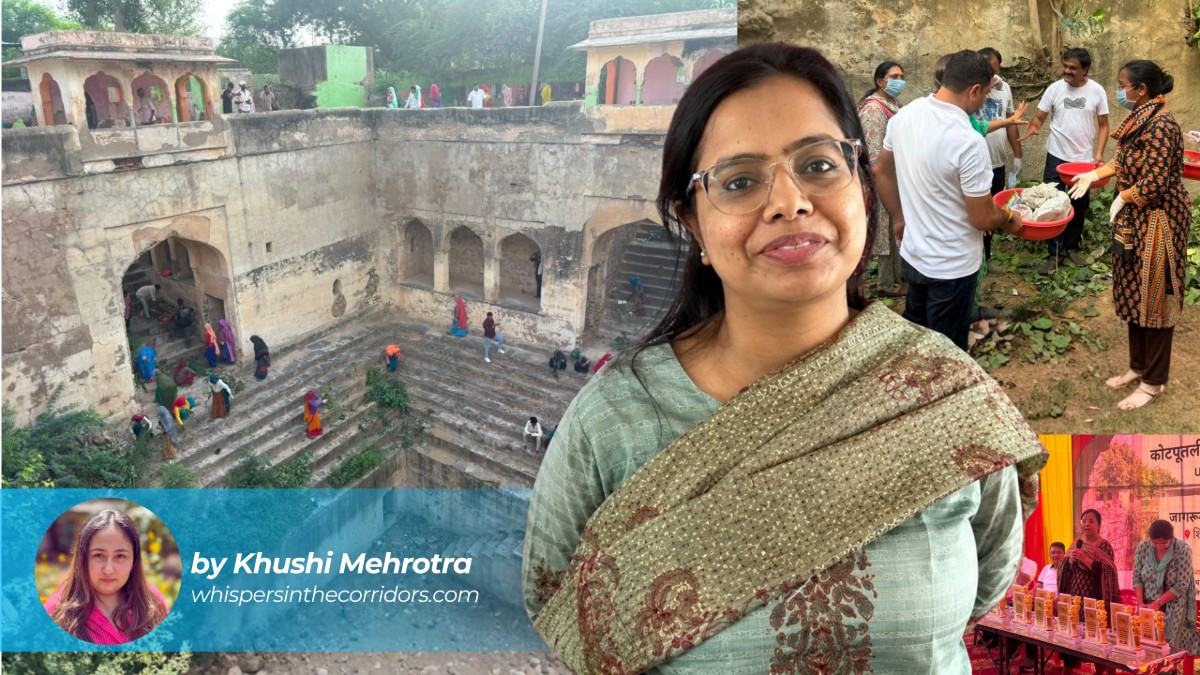
In Rajasthan, where water scarcity has been a long-standing problem, Kotputli-Behror is turning its attention to an often overlooked resource its traditional water systems. Under District Collector Aparna Gupta, a 2018-batch IAS officer, the district administration is working to revive stepwells, ponds and other water bodies through an innovative community led movement.
“Our historic stepwells (bawdis), ponds and wells are not merely ancient structures, they are living proof of centuries old scientific water management systems. When restored through active community participation, they can play a decisive role in mitigating future water crises.”
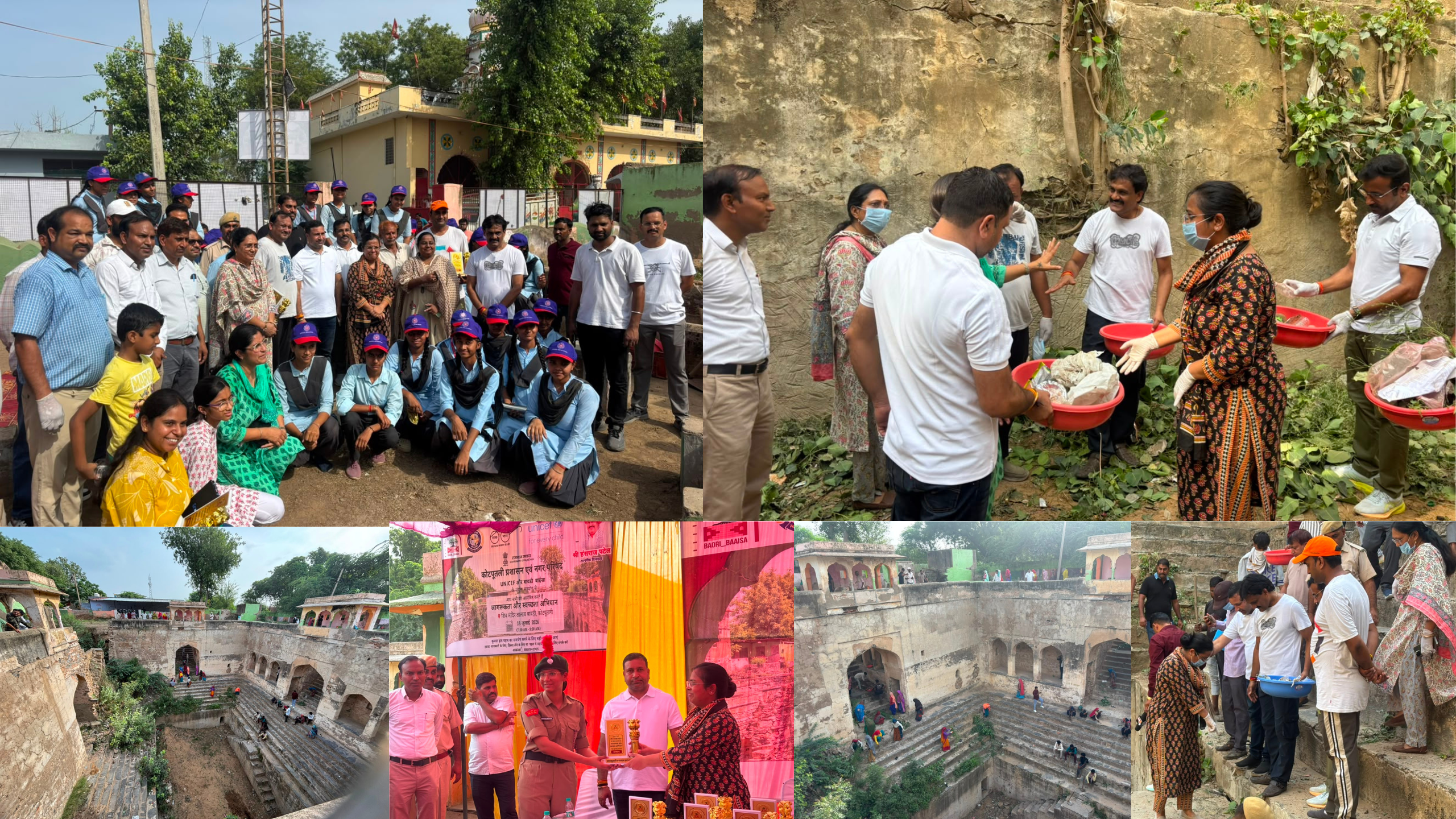
The campaign was launched with major cleanliness, voluntary labour and public awareness drive at the historic Shiv Mandir Talab Bawdi (Ganga Sagar Talab). Organized by District Administration Kotputli-Behror and Kotputli Municipal Council, with the support of UNICEF and Bawdi Baisa, the event drew widespread community involvement. The drive brought together people from all sections of society including students, youth, social organisations,local residents and more to clean waste.
“The objective is not only to conduct a cleanliness campaign at one place, but to develop a permanent and participatory system of water conservation across the district”
Looking ahead a phased plan is being prepared to clean, restore and maintain historical water bodies across district.In this regular Shramdaan (voluntary labor) drives will be held involving local communities, youth and NGOs.Beyond restoration work, the campaign also stresses everyday civic responsibility urging citizens to adopt rainwater harvesting, practice judicious water use and keep local water sources free from plastic and pollution.
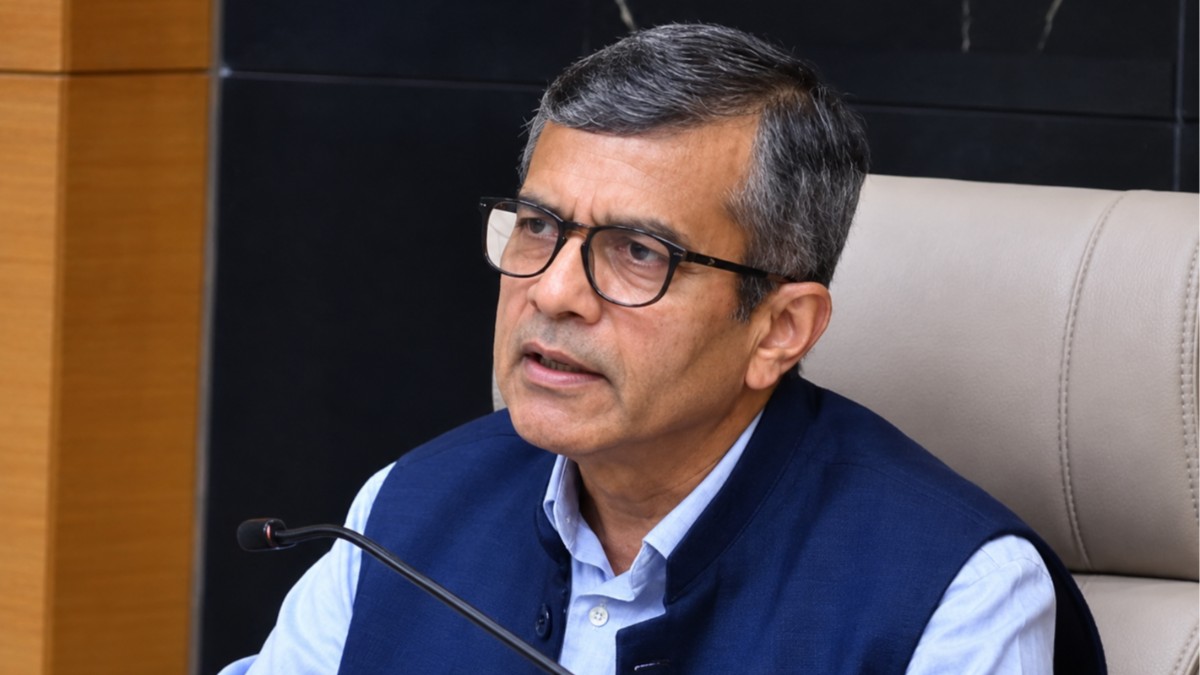
The initiative serves two purposes: water conservation and cultural heritage preservation.It has also been praised at the state level by Rajasthan Chief Secretary V. Srinivas who described it as an inspiring model of water conservation and public participation, emphasising that such innovations should also be exemplary for other regions.



Comments (0)
No comments yet. Be the first.