
Detect Disabilities Early & Treat; IAS Pandve Rahul Tukaram’s launches screening of 1.5 lakh kids in Yadgir dist
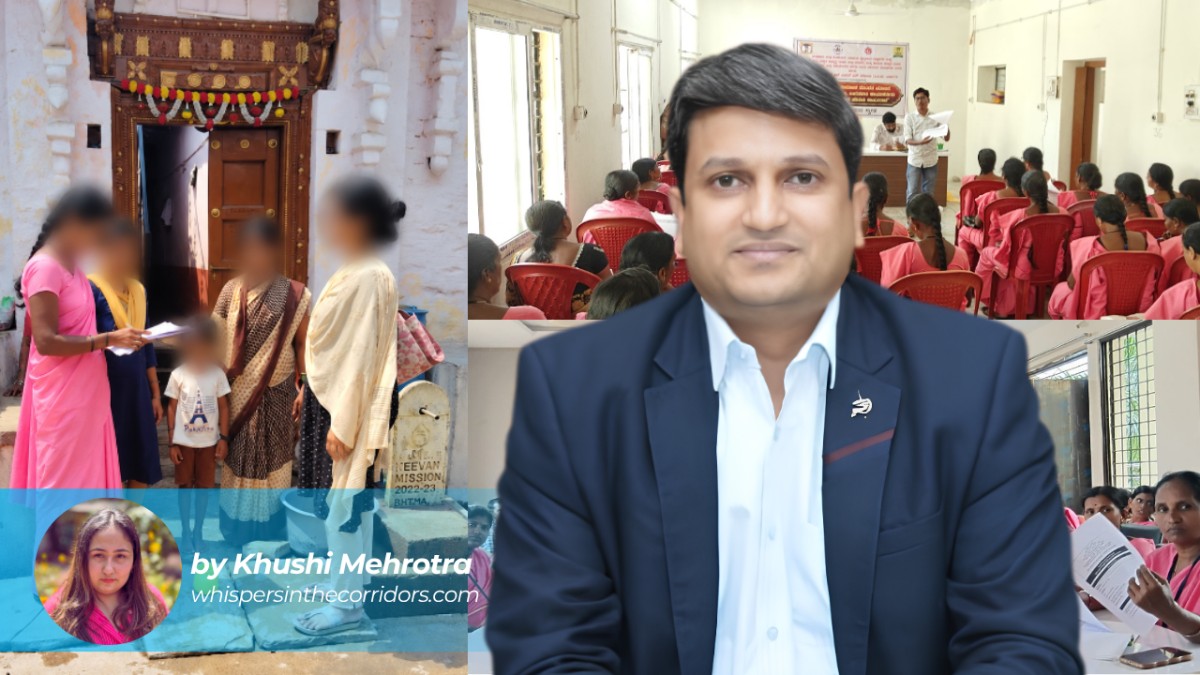
In Karnataka’s Yadgir district, a major effort is underway to detect disabilities and developmental problems among children at an early age. Around 1.5 lakh children aged 0-8 years are being targeted for screening with the aim of identifying conditions that can be improved or corrected through timely treatment while ensuring support for children with permanent disabilities.
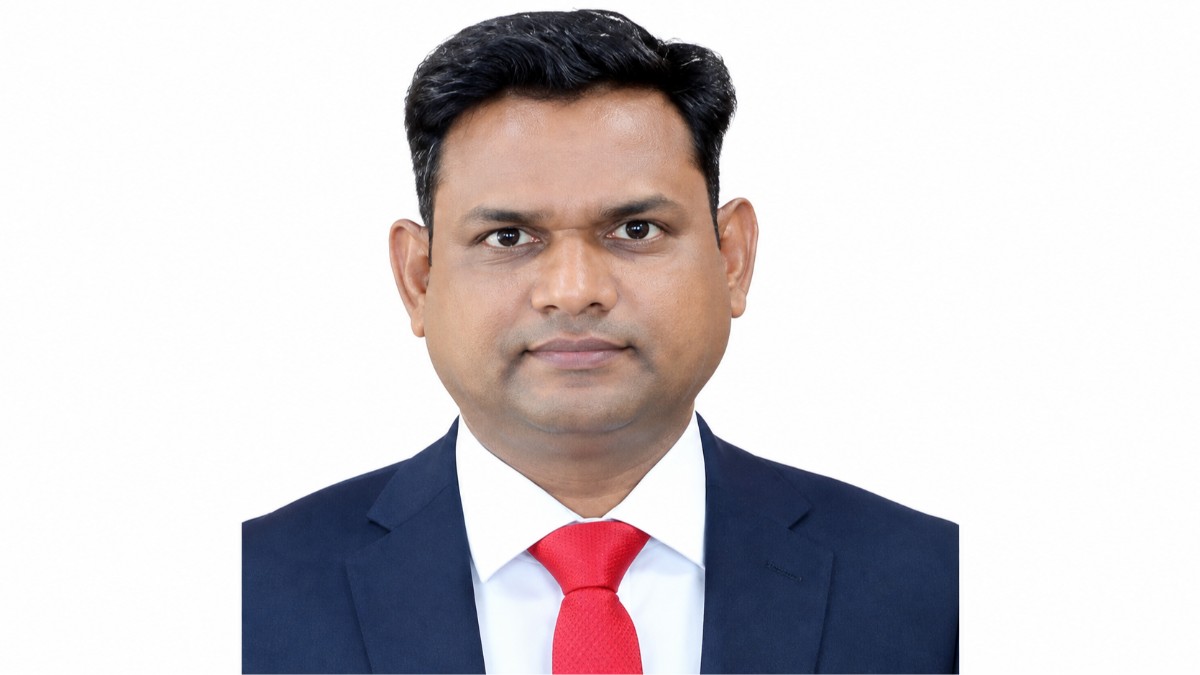
Leading the initiative is Yadgir Deputy Commissioner Pandve Rahul Tukaram, a 2016-batch IAS officer through a 4Ds approach focused on identifying developmental delays, disabilities, disorders and deficits. Explaining the reason behind the exercise, he quoted “What I had observed in my earlier posting was that many of these people can reverse their handicap if there is early intervention.”
At the heart of the initiative is a centralized, digital registry system to keep records of children, track their treatment and ensure regular follow-ups. Unlike traditional paper-based methods, this digital infrastructure utilizes real-time dashboards and geographic mapping to give every child a unique ID, prevent repeat entries and track their complete health journey.
Supporting this on ground, so far 472 ASHA workers, Anganwadi workers and school teachers have received training, and field-level screening has begun.Under the initiative, the screening has been divided into three age groups. Children aged 0-3 years are assessed by ASHA workers, those aged 3-6 years by Anganwadi workers and children aged 6-8 years at the school level. Frontline workers use simple questionnaires to collect information about each child's development and possible disabilities.
Using a focused approach, Children identified during the initial screening will undergo a second, more detailed medical assessment by teams under the Rashtriya Bal Swasthya Karyakram (RBSK), involving paediatricians, physiotherapists and other medical professionals. “Based on the medical assessment, children whose conditions can be improved or corrected will be sent to the rehabilitation centre present in our medical college.” He explained. Additionally, those with permanent disabilities are helped in getting their Unique Disability ID (UDID) numbers and accessing government benefits. The initiative also involves the Yadgir Institute of Medical Sciences (YIMS) and the Association of People with Disability (APD).
Beyond institutional screening and clinical care, the initiative strongly emphasizes family and community empowerment. Through targeted caregiver training and innovative frameworks like “Mothers as Interventionists” mothers are directly equipped to provide continuous developmental support and self-management strategies right at home.
The initiative is currently in its initial stage but through early identification, medical intervention and continuous tracking, the administration is working to give a healthy and supportive environment to the district's future generation.




Comments (0)
No comments yet. Be the first.